
Business
Mobile money transactions hit GHC365bn in April 2025

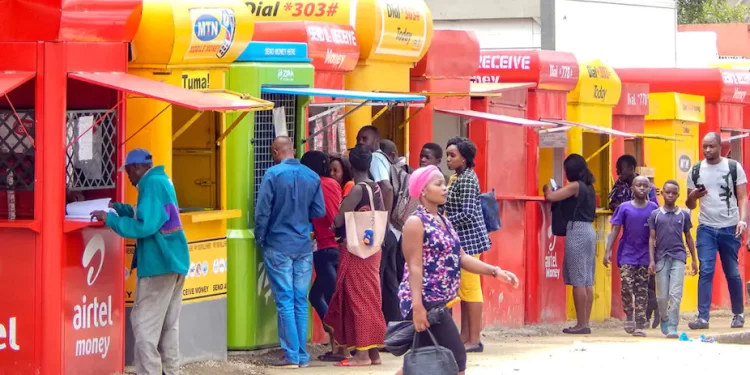
Ghana’s mobile money ecosystem recorded a significant rise in transactional activity in April 2025, with the total value of transactions reaching a record GHC 365.0 billion, according to the latest summary of economic and financial data published by the Bank of Ghana.
This represents a month-on-month increase of 3.8% from GHC 351.7 billion recorded in March 2025. It also marks the highest monthly value since the beginning of the year, underscoring the growing reliance on mobile financial services for both personal and business transactions.
In tandem with the value surge, the number of mobile money transactions also rose, climbing from 764 million in March to 778 million in April. The continued expansion highlights mobile money’s pivotal role in promoting financial inclusion and streamlining digital payments nationwide.
The data further indicates a steady increase in mobile money usage, driven by rising mobile penetration, agent network growth, and the convenience of mobile-based financial platforms.
Analysts expect the trajectory to continue upward as Ghana’s digital economy deepens, and regulatory support remains favourable.
citinewsroom.com



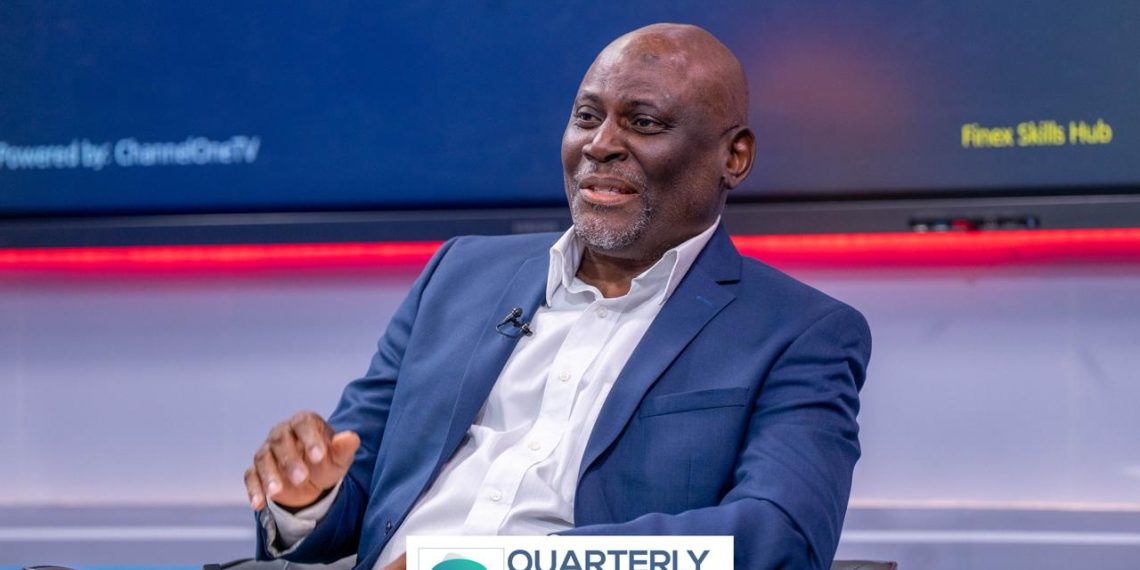
Vice President of the Ghana Union of Traders Association (GUTA), Joseph Paddy, has urged young people to shift focus from waiting for government jobs and instead embrace self-employment and opportunities within the private sector.
Speaking at Channel One TV’s Quarterly Economic Outlook on Monday, April 27, he stressed that job creation is not limited to the public sector, noting that the private sector offers multiple opportunities for individuals willing to take initiative.
He encouraged job seekers to develop skills and explore emerging opportunities in areas such as communication, marketing, public relations, and digital services.
“Don’t wait for the government to employ you. Employ yourself,” he stated, adding that many roles in the modern economy are created by private initiative rather than government recruitment.
According to him, the private sector remains the main engine of growth and offers broader opportunities for young people who are willing to be proactive.
“The private sector is the engine of growth. When you are a private sector person, you can do everything. You can have more than one job,” he said.
citinewsroom.com
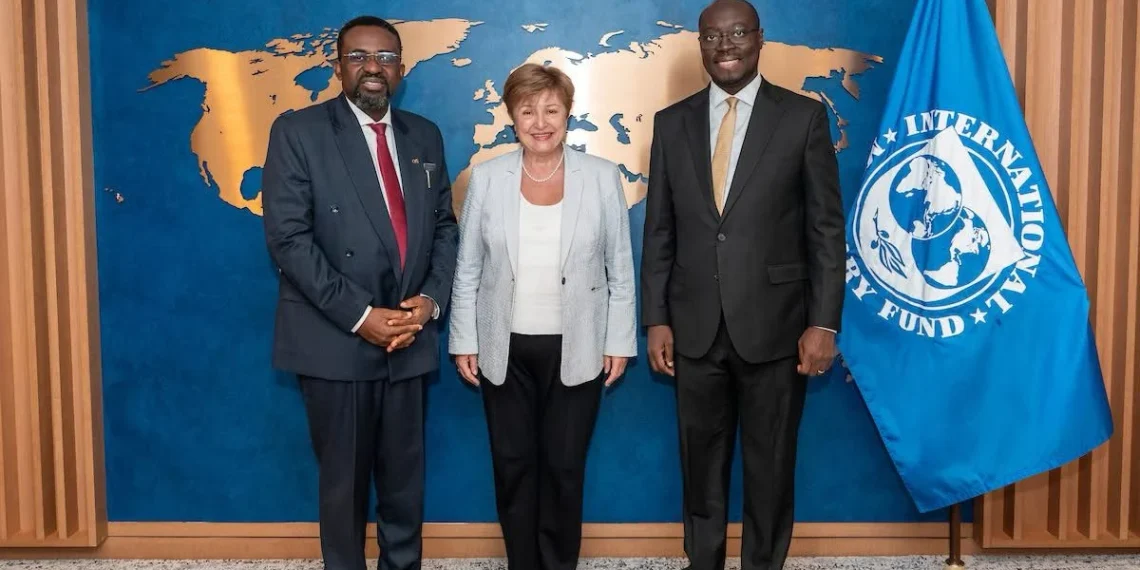
Ghana’s engagement with the International Monetary Fund is entering its final phase, with the government expressing confidence that the country is on track to complete its ongoing program and exit on schedule after sustained policy implementation.
A staff mission from the International Monetary Fund is expected in Accra this week for the sixth and final review under Ghana’s three-year Extended Credit Facility arrangement, ahead of a planned conclusion of the program in August 2026 following a technical extension.
The mission will assess recent macroeconomic performance, including fiscal consolidation, inflation trends, debt management, and structural reforms, while engaging key stakeholders across government, the central bank, and civil society.
Speaking to Citi Business News, Technical Advisor at the Ministry of Finance and economist, Theo Acheampong, said the outlook remains broadly positive, with Ghana having largely met program commitments.
He noted that the final mission will essentially take stock of progress already achieved under the Extended Credit Facility.
“So there’s a mission that is planned for this week. We are now going to be undertaking the sixth and final review of the $3 billion extended credit facility that we entered into in 2023,” he said.
Dr. Acheampong added that performance under the program has been broadly satisfactory, with key reforms and targets largely delivered.
“What is very clear from the fifth review is that we have met most of those program targets,” he stated.
He further stressed that there is strong confidence in a positive outcome from the final assessment, pointing to progress on structural benchmarks, fiscal measures, and tax reforms.
“We are looking forward to a very positive outcome in terms of the Fund’s final review in Ghana and the conclusion of the programme,” he added.
The IMF team is expected to compile its findings after engagements in Accra and submit a report to its Executive Board in Washington, paving the way for Ghana’s programme completion, subject to final approval.
citinewsroom.com

Prices of petroleum products are expected to decline marginally at the pumps from January 1, 2026.
The projection is contained in the latest outlook report by the Chamber of Oil Marketing Companies (COMAC), which guides pricing decisions by oil marketing companies and has been sighted by JoyBusiness.
Projected Reduction
The price of petrol is expected to fall by between 2.40% and 4.80%, bringing the pump price per litre to about GH¢11.90.
Diesel is projected to decline by as much as 3.77%, which could see a litre selling at around GH¢12.50.
Liquefied Petroleum Gas (LPG) is also expected to drop by up to 2.19%, resulting in a kilogram selling at approximately GH¢13.40.
Reasons
According to the Chamber of Oil Marketing Companies, the expected reduction has been influenced mainly by declining prices of crude oil and finished petroleum products on the international market.
Market data show that international refined product prices fell significantly during the period, with petrol down 9.17%, diesel down 8.11%, and LPG down 3.82%.
The cedi has also strengthened against the US dollar, appreciating by more than 3% over the past three weeks.
For the January 1, 2026, pricing window, the local currency rose from GH¢11.14 to GH¢10.50 to the dollar, representing an 8.20% gain.
This marks one of its strongest performances in recent months, and a sharp improvement from the GH¢14.84 recorded during the same period last year.
More than 200 Oil Marketing Companies have told JoyBusiness they will begin reducing prices from this weekend after completing the necessary adjustments at the pumps.
Others say the changes could take effect as early as Monday.
Some marketers have also indicated that further reductions could follow if the cedi continues to appreciate or remains stable against the dollar.
myjoyonline.com


2026 Ballon d’Or Nominees: Full List Of Contenders Across All Categories

Bogo Blay – Achi Guda | MP3 Download

Government Must Scrap F9 Barrier To SHS Admission – Kofi Asare

Vinicius Vows To Deliver Champions League Glory: “We Are Going To Win It”

Inter Dealt Dimarco Blow Ahead Of Bernabeu Clash

Road Projects Making Significant Progress Across Regions, Agbodza Reports

2022 Cohort Teachers Demand 14 Months’ Unpaid Salaries

Police Arrest Suspect Over Alleged Murder Of Dr Jesse Amuah And Wife

Accra Mayor Directs Traders To Sweep Every Hour

14-Year-Old Boy, Mother And Alleged Gang Leader Arrested Over Accra-Kumasi Highway Robbery

Ablakwa: 4,972 Ghanaians Repatriated From Various Countries Since 2025

Police Bust Armed Robbery Gang Targeting Gold Dealers And Mining Sites

Poor Reading Culture, ‘WhatsApp English’ Caused Decline In 2026 WASSCE – WAEC

Over 10 Students Arrested Over Okuapeman-Mount Sinai SHS Clash

Uber Shuts Operations In Nigeria And Uganda With Immediate Effect

GES Releases National Harmonised Prospectus For 2026/27 SHS Admissions

Today’s Newspaper Headlines: Thursday, 3rd September, 2026

Timeless Messi: Four-Goal Haul, Solo Wonder Goal And 7-1 Rout

BREAKING: Barcelona Reach Agreement With Arsenal For Gabriel Jesus

Former Chief Justice Sophia Akuffo Resigns From The Council Of State

FDA destroys counterfeit pharmaceutical products worth GH₵42m

Iran sanction relief could send Cedis soaring at GH₵8 per dollar – Analyst

Bogo Blay – Woman (Produced By FimFim)

Kofi Kinaata Honoured with “Youth in Entertainment” Award at 2025 Millennium Excellence Awards

Efiewura TV series actor Koo Ofori arrested over alleged $50k fraud

‘Not Chosen by Merit’ – Ghanaian Prophet Predicts Short Papacy for Pope Leo XIV

El Clásico Thriller: Barcelona Edges Real Madrid 4–3 in Seven-Goal Spectacle

The differences between ‘I love you’ and ‘I’m in love with you’

Webz – Odo | MP3 Download

Today In History: May 9th Disaster at the Accra Sports Stadium

Ban on Drumming and Noise Making in Accra to Begin May 12 Ahead of Homowo Festival

VIDEO: Bosomtwe Road Conditions Spark Concerns Over Dust Pollution

Alonso To Leave Leverkusen At End Of The Season

EVENT: Feyiase English Assembly Set for an Explosive Praise and Worship Experience!

VIDEO: Vladimir Putin Welcomes Burkina Faso’s Ibrahim Traoré to Russia for Victory Day Celebrations

Newspaper Headlines: Friday, 9th May, 2025

Two Kidnapped Ghanaian Women Return from Nigeria, CID Confirms

Tamale Drug Dealer Fined Gh₵1.68M, Faces 25 Years In Jail Over Tramadol Bust

How Ghana lost over GH¢2bn swapping gold for fuel

Ameyaw-Akumfi granted GH¢10m bail

Sarkodie – Everlasting Ft. Shatta Wale | MP3 Download

Mexico 2-0 South Africa: Hosts Kick Off World Cup In Style With A Win Over Bafana Bafana

700 More Ghanaians To Be Repatriated From South Africa On Saturday And Sunday

VIDEO: Ga East Assembly Demolishes Structures In Waterways To Curb Flooding

WASSCE 2026: KNUST SHS Records One Death, Another Candidate Pregnant – VIDEO

Voxy Driver In Viral Video Jailed For Careless Driving

VIDEO: Headmistress Of Spiritan SHTS Appeals For Urgent Fencing And Infrastructure Support

Barcelona 3-2 Real Madrid: Raphinha Brace Inspires Catalans To Super Cup Victory

VIDEO: Black Stars Will Reach The Final Of 2026 World Cup – Prophet Nigel Gaisie

VIDEO: Ontario Police Bust International Car Theft Ring Including Ghanaian With 306 Stolen Vehicles Recovered

VIDEO: Live Feed Of Funeral Rites For Daddy Lumba

VIDEO: FC Haka Fans Burn Their Own Stadium After Relegation

Africa Cup of Nations 2025: Dates, Fixtures & Everything To Expect In Morocco

Ronaldinho Reigns Supreme: GiveMeSport Names Him the Greatest Dribbler of All Time

VIDEO: Police Arrest Man Seen In Viral Video Forcing Child To Smoke

Barcelona 3-0 Getafe: Catalans Cruise to Convincing Win

Arsenal 1-1 Manchester City: Martinelli Strikes Late to Deny Guardiola’s Men

VIDEO: 2025 World Athletics Championships – Ghana Dominates 4×100 Relays To Qualify For Finals

Liverpool 2-1 Everton: Reds Extend Perfect Start with Merseyside Derby Win

VIDEO: Asantehemaa’s Reign Was Marked By Dignity, Humility And Service – Asantehene
-
 News1 year ago
FDA destroys counterfeit pharmaceutical products worth GH₵42m
-
 Business1 year ago
Iran sanction relief could send Cedis soaring at GH₵8 per dollar – Analyst
-
 Showbiz1 year ago
Bogo Blay – Woman (Produced By FimFim)
-
 Showbiz1 year ago
Kofi Kinaata Honoured with “Youth in Entertainment” Award at 2025 Millennium Excellence Awards
-
 People & Lifestyle1 year ago
Efiewura TV series actor Koo Ofori arrested over alleged $50k fraud
-
 News1 year ago
‘Not Chosen by Merit’ – Ghanaian Prophet Predicts Short Papacy for Pope Leo XIV
-
 Sports1 year ago
El Clásico Thriller: Barcelona Edges Real Madrid 4–3 in Seven-Goal Spectacle
-
 People & Lifestyle1 year ago
The differences between ‘I love you’ and ‘I’m in love with you’