
Health
NHIA Suspends 3 Pharmacies Over Suspected Fraudulent NHIS Claims


The National Health Insurance Authority (NHIA) has suspended three pharmacies from participating in the National Health Insurance Scheme (NHIS) over what it describes as suspected fraudulent claims and irregular service transactions.
In a public notice issued on Thursday, May 14, the NHIA announced that the affected facilities have been placed under “immediate temporary suspension” following a routine claims verification exercise.
The suspended pharmacies are DELDEM PHARMA LIMITED, PARAMEDICA PHARMACY and DESH CHEMIST.
According to the NHIA, the suspension takes effect on May 14.
The NHIA said investigations uncovered “material irregularities in claims and service transactions associated with these facilities”.
It added that the findings had “raised reasonable suspicion of fraud and abuse under the NHIS Provider Service Agreement”.
As part of the suspension, the pharmacies will no longer be allowed to provide services or dispense medicines under the NHIS until further notice.
“The pharmacies are not permitted to provide services or dispense medicines under the NHIS during the suspension,” the statement said.
The NHIA has therefore advised NHIS members seeking pharmaceutical services to visit other accredited providers across the country.
“NHIS members who require pharmaceutical services are encouraged to seek care from other credentialed NHIS providers nationwide,” the NHIA stated.
The NHIA also issued a strong warning to all accredited healthcare providers, stressing that it would not tolerate practices that threaten the sustainability of the scheme.
“The Authority will not tolerate fraudulent or abusive practices that undermine the sustainability of the NHIS, which may deprive members of quality healthcare services,” the statement warned.
The Authority further reminded service providers of the legal consequences of defrauding the Scheme.
“A healthcare provider providing services under the National Health Insurance Scheme who defrauds or attempts to defraud the Scheme commits an offence and is liable on summary conviction to a fine or a term of imprisonment of not more than ten (10) years or both,” the notice added.
The statement, signed by the Chief Executive of the NHIA, Dr. Victor Asare Bampoe, reaffirmed the Authority’s commitment to accountability and the proper use of public funds.
“The NHIA remains committed to ensuring transparency, accountability, and the prudent use of public funds in delivering accessible and quality healthcare to all residents of Ghana,” the statement said.


myjoyonline.com




Health Minister Kwabena Mintah Akandoh has assured Ghanaians that no case of Ebola has been recorded in the country or anywhere in West Africa, even as the government intensifies preventive measures following the World Health Organisation’s declaration of the outbreak as a Public Health Emergency of International Concern.
Addressing the nation in Accra on Thursday, May 21, the Minister urged calm but stressed the need for heightened vigilance and strict adherence to safety protocols to prevent any possible outbreak in Ghana.
“Dear countrymen and women, the Ministry of Health over the past one week has issued two publications on Ebola. Last week, WHO declared Ebola as a public health emergency of international concern,” he said.
Mr. Akandoh explained that Ebola is a highly dangerous viral disease transmitted through direct contact with infected blood, body fluids, secretions, or contaminated materials.
“Ebola is a viral disease spread through direct contact with blood, body fluids, secretions, and contaminated surfaces or materials,” he stated.
He warned that individuals experiencing symptoms such as sudden fever, headache, muscle pain, vomiting, diarrhoea, or unexplained bleeding should immediately seek medical attention at the nearest health facility.
“People experiencing symptoms such as sudden fever, headache, muscle pain, vomiting, diarrhea, or unexplained bleeding should immediately report to the nearest health facility,” the Minister advised.
Despite growing global concern over the outbreak, the Health Minister stressed that Ghana remains free of the virus.
“It is important to note that no cases have been recorded in West Africa, including our dear country, Ghana. However, it is said prevention is always better than cure,” he said.
The Ministry of Health has already issued public advisories urging citizens to practice regular hand hygiene and observe safety measures, particularly during public events and mass gatherings.
As part of the renewed preventive campaign, Mr. Akandoh called on Ghanaians to frequently wash their hands with soap under running water or use alcohol-based hand sanitisers.
“One, practice good hand hygiene. What this means is that we should wash our hands frequently with soap and running water or use hand sanitizers,” he said.
He also directed organisers of public gatherings to make handwashing facilities and sanitisers readily available.
“During mass gatherings, please also practice good hand hygiene and event organizers should provide hand washing stations and hand sanitizers,” he added.
The Minister further sought to reassure the public that the government is actively monitoring the situation and strengthening preparedness measures across the country.
“Dear countrymen and women, it is important to stress that presently the risk is low in Ghana. I would like to use this opportunity to assure everybody that the government is taking all the necessary measures to protect us all,” he said.
The WHO recently declared the Ebola outbreak in parts of the Democratic Republic of Congo a Public Health Emergency of International Concern after hundreds of suspected infections and dozens of deaths were reported.
Although the outbreak is currently concentrated in Central and East Africa, health authorities worldwide have heightened surveillance amid fears of cross-border transmission.
In Ghana, the Ministry of Health and the Ghana Health Service say surveillance, screening, preparedness, and response systems have been intensified at health facilities and points of entry to safeguard public health.
citinewsroom.com
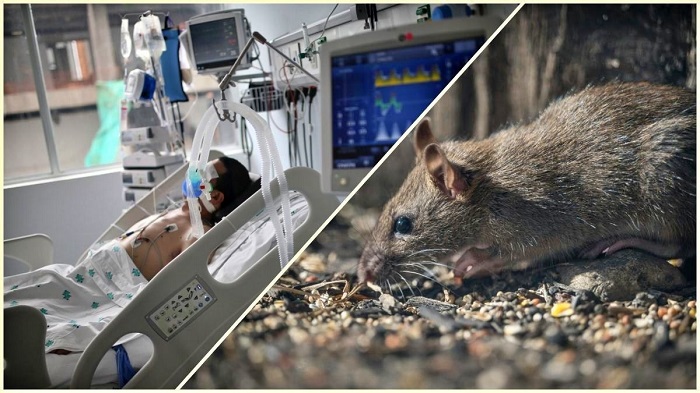
The Ghana Health Service (GHS) says it has enhanced surveillance in Ghana after an outbreak of Hantavirus on a cruise ship, which has now docked in Cape Verde.
In a statement the GHS assured that no case of Hantavirus has been recorded in Ghana, but enhanced surveillance measures have been instituted following the docking of the cruise ship in Cape Verde.
Eight suspected cases have been reported on the cruise ship, with five confirmed and three deaths.
READ ALSO: Hantavirus Outbreak Risk To Public ‘Absolutely Low’ – WHO
The crew were largely from the Philippines, while passengers came from the US, Europe, South America, Australia, and parts of Asia.
Low global risk but vigilance advised
The World Health Organisation (WHO) and the US CDC, after a risk assessment, have indicated that the overall global public health risk remains low, but countries have been advised to strengthen surveillance and preparedness measures.
Hantavirus is a viral disease primarily spread through contact with infected rodents, especially through exposure to their urine, droppings, saliva, or contaminated surfaces. Symptoms may include fever, headache, muscle pain, abdominal discomfort, vomiting, and, in severe cases, breathing difficulties.
READ ALSO: Three Dead In Suspected Virus Outbreak On Atlantic Cruise Ship
Public health measures being implemented
In a press release, it was explained that the Ministry of Health and GHS are using its structures including Port Health, together with health partners, to institute precautionary public health measures to prevent any possible spread into Ghana.
These include enhanced surveillance of all ports of entry, including airports and seaports; increased monitoring and reporting of unusual respiratory illnesses in health facilities nationwide; public health education on rodent control and environmental sanitation; strengthened laboratory preparedness and rapid response systems; and collaboration with the WHO and international disease surveillance networks for timely information sharing.
Measures
The public has been advised to keep homes, workplaces, and surroundings clean to prevent rodent infestation; properly store food and dispose of waste promptly; avoid contact with rodents and their droppings; wear gloves and masks when cleaning rodent-infested areas; wash hands regularly with soap and clean water; and seek immediate medical attention if experiencing fever, difficulty breathing, or flu-like symptoms after possible exposure to rodents or recent international travel.
Assurance from GHS
“The Ministry of Health and Ghana Health Service assure the public that Ghana’s disease surveillance systems remain active and responsive. Citizens are urged to remain calm, avoid misinformation and follow official public health guidance,” the statement read.


Ms. Doris Ocansey, the Adolescent Health Focal Person at the Tema Metropolitan Health Directorate, has cautioned adolescents and young people against the frequent use of emergency contraceptive pills, warning that abuse could have adverse health implications.
She explained that emergency contraceptive pills contained significantly higher levels of hormones compared to standard daily contraceptives.
Ms. Ocansey noted that while regular contraceptive pills were designed to be taken over a 28-day cycle, emergency pills were intended strictly for use within 24 to 48 hours after unprotected sexual intercourse.
She cautioned that repeated intake of such high hormonal doses, which the body did not require on a regular basis, could result in menstrual irregularities and possible fertility challenges.
Ms. Ocansey emphasized the need for health personnel to continue promoting abstinence among adolescents and young people, even though many were sexually active.
She said that while condoms and other contraceptive methods were available, condoms remained the only option that provided dual protection against sexually transmitted diseases and pregnancy. She added, however, that condoms did not offer 100 percent protection.
According to her, abstinence remained the only guaranteed way of preventing both unwanted pregnancies and sexually transmitted diseases.
Touching on defilement and rape, Ms. Ocansey said healthcare providers were often the first point of contact for victims of sexual abuse.

She explained that while medical personnel provided immediate care, including testing and treatment for infections, responsibility for social interventions such as reporting cases to the appropriate authorities fell within the mandate of the District Social Welfare Office.
On abortion, Ms. Ocansey highlighted the health risks associated with the practice, particularly among young girls.
Responding to questions about allegations of healthcare workers performing abortions privately in their homes, she clarified that such acts were illegal and constituted a criminal offense.
She urged health professionals to report colleagues found to be engaging in such unlawful practices.
Ms. Ocansey advised young people against unsafe termination of pregnancies and encouraged them to seek care from recognized health institutions for their medical needs, rather than resorting to harmful concoctions and presenting at hospitals only when complications arose.
graphic.com.gh


2026 Ballon d’Or Nominees: Full List Of Contenders Across All Categories

Bogo Blay – Achi Guda | MP3 Download

Government Must Scrap F9 Barrier To SHS Admission – Kofi Asare

Vinicius Vows To Deliver Champions League Glory: “We Are Going To Win It”

Inter Dealt Dimarco Blow Ahead Of Bernabeu Clash

Road Projects Making Significant Progress Across Regions, Agbodza Reports

2022 Cohort Teachers Demand 14 Months’ Unpaid Salaries

Police Arrest Suspect Over Alleged Murder Of Dr Jesse Amuah And Wife

Accra Mayor Directs Traders To Sweep Every Hour

14-Year-Old Boy, Mother And Alleged Gang Leader Arrested Over Accra-Kumasi Highway Robbery

Ablakwa: 4,972 Ghanaians Repatriated From Various Countries Since 2025

Police Bust Armed Robbery Gang Targeting Gold Dealers And Mining Sites

Poor Reading Culture, ‘WhatsApp English’ Caused Decline In 2026 WASSCE – WAEC

Over 10 Students Arrested Over Okuapeman-Mount Sinai SHS Clash

Uber Shuts Operations In Nigeria And Uganda With Immediate Effect

GES Releases National Harmonised Prospectus For 2026/27 SHS Admissions

Today’s Newspaper Headlines: Thursday, 3rd September, 2026

Timeless Messi: Four-Goal Haul, Solo Wonder Goal And 7-1 Rout

BREAKING: Barcelona Reach Agreement With Arsenal For Gabriel Jesus

Former Chief Justice Sophia Akuffo Resigns From The Council Of State

Iran sanction relief could send Cedis soaring at GH₵8 per dollar – Analyst

Bogo Blay – Woman (Produced By FimFim)

Kofi Kinaata Honoured with “Youth in Entertainment” Award at 2025 Millennium Excellence Awards

Efiewura TV series actor Koo Ofori arrested over alleged $50k fraud

‘Not Chosen by Merit’ – Ghanaian Prophet Predicts Short Papacy for Pope Leo XIV

The differences between ‘I love you’ and ‘I’m in love with you’

El Clásico Thriller: Barcelona Edges Real Madrid 4–3 in Seven-Goal Spectacle

Webz – Odo | MP3 Download

Today In History: May 9th Disaster at the Accra Sports Stadium

FDA destroys counterfeit pharmaceutical products worth GH₵42m

Ban on Drumming and Noise Making in Accra to Begin May 12 Ahead of Homowo Festival

Alonso To Leave Leverkusen At End Of The Season

VIDEO: Bosomtwe Road Conditions Spark Concerns Over Dust Pollution

VIDEO: Vladimir Putin Welcomes Burkina Faso’s Ibrahim Traoré to Russia for Victory Day Celebrations

Newspaper Headlines: Friday, 9th May, 2025

EVENT: Feyiase English Assembly Set for an Explosive Praise and Worship Experience!

Two Kidnapped Ghanaian Women Return from Nigeria, CID Confirms

How Ghana lost over GH¢2bn swapping gold for fuel

U.S. Visa: 61,000 applied in Ghana, only 25,000 approved in 2024

Ameyaw-Akumfi granted GH¢10m bail

Sarkodie – Everlasting Ft. Shatta Wale | MP3 Download

Mexico 2-0 South Africa: Hosts Kick Off World Cup In Style With A Win Over Bafana Bafana

700 More Ghanaians To Be Repatriated From South Africa On Saturday And Sunday

VIDEO: Ga East Assembly Demolishes Structures In Waterways To Curb Flooding

WASSCE 2026: KNUST SHS Records One Death, Another Candidate Pregnant – VIDEO

Voxy Driver In Viral Video Jailed For Careless Driving

VIDEO: Headmistress Of Spiritan SHTS Appeals For Urgent Fencing And Infrastructure Support

Barcelona 3-2 Real Madrid: Raphinha Brace Inspires Catalans To Super Cup Victory

VIDEO: Black Stars Will Reach The Final Of 2026 World Cup – Prophet Nigel Gaisie

VIDEO: Ontario Police Bust International Car Theft Ring Including Ghanaian With 306 Stolen Vehicles Recovered

VIDEO: Live Feed Of Funeral Rites For Daddy Lumba

VIDEO: FC Haka Fans Burn Their Own Stadium After Relegation

Africa Cup of Nations 2025: Dates, Fixtures & Everything To Expect In Morocco

Ronaldinho Reigns Supreme: GiveMeSport Names Him the Greatest Dribbler of All Time

VIDEO: Police Arrest Man Seen In Viral Video Forcing Child To Smoke

Barcelona 3-0 Getafe: Catalans Cruise to Convincing Win

Arsenal 1-1 Manchester City: Martinelli Strikes Late to Deny Guardiola’s Men

VIDEO: 2025 World Athletics Championships – Ghana Dominates 4×100 Relays To Qualify For Finals

Liverpool 2-1 Everton: Reds Extend Perfect Start with Merseyside Derby Win

VIDEO: Asantehemaa’s Reign Was Marked By Dignity, Humility And Service – Asantehene
-
 Business1 year ago
Iran sanction relief could send Cedis soaring at GH₵8 per dollar – Analyst
-
 Showbiz1 year ago
Bogo Blay – Woman (Produced By FimFim)
-
 Showbiz1 year ago
Kofi Kinaata Honoured with “Youth in Entertainment” Award at 2025 Millennium Excellence Awards
-
 People & Lifestyle1 year ago
Efiewura TV series actor Koo Ofori arrested over alleged $50k fraud
-
 News1 year ago
‘Not Chosen by Merit’ – Ghanaian Prophet Predicts Short Papacy for Pope Leo XIV
-
 People & Lifestyle1 year ago
The differences between ‘I love you’ and ‘I’m in love with you’
-
 Sports1 year ago
El Clásico Thriller: Barcelona Edges Real Madrid 4–3 in Seven-Goal Spectacle
-
 Showbiz1 year ago
Webz – Odo | MP3 Download